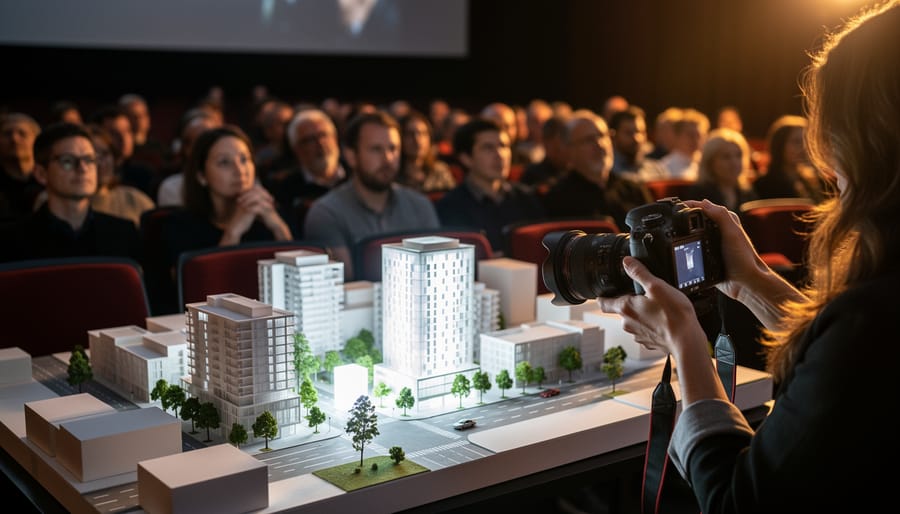
Architecture and design film festivals are curated events that screen documentaries, narratives, and experimental films exploring the built environment, urban planning, and spatial design. They matter because they bridge the gap between visual storytelling and architectural discourse, offering audiences an accessible entry point into complex design ideas while providing a platform for filmmakers to showcase work that traditional cinema often overlooks. These festivals now operate on every continent, from established institutions in major cultural hubs to emerging regional showcases, creating a global network where students, practitioners, and enthusiasts gather to examine how architecture shapes human experience.
The format transforms abstract concepts into compelling visual narratives. A two-hour documentary can illuminate decades of urban development, trace the evolution of a design philosophy, or profile architects whose work rarely receives mainstream attention. This cinematic approach makes theoretical discussions tangible, whether the subject is adaptive reuse in post-industrial cities, the social impact of public housing, or sustainable building practices in climate-vulnerable regions. For architecture students, these screenings function as an extended classroom, presenting case studies and design challenges through the lens of filmmakers who spend months, sometimes years, documenting projects from conception to completion.
Beyond passive viewing, these festivals foster active engagement through panel discussions, Q&A sessions with directors and featured architects, and workshops that examine film as a research and presentation tool. They create rare opportunities for cross-disciplinary dialogue, where cinematographers explain how they capture spatial qualities and architects discuss how film influences their design communication. The educational value extends to practical career development, networking with industry professionals, and discovering new perspectives on familiar architectural movements.
What Makes Architecture and Design Film Festivals Unique
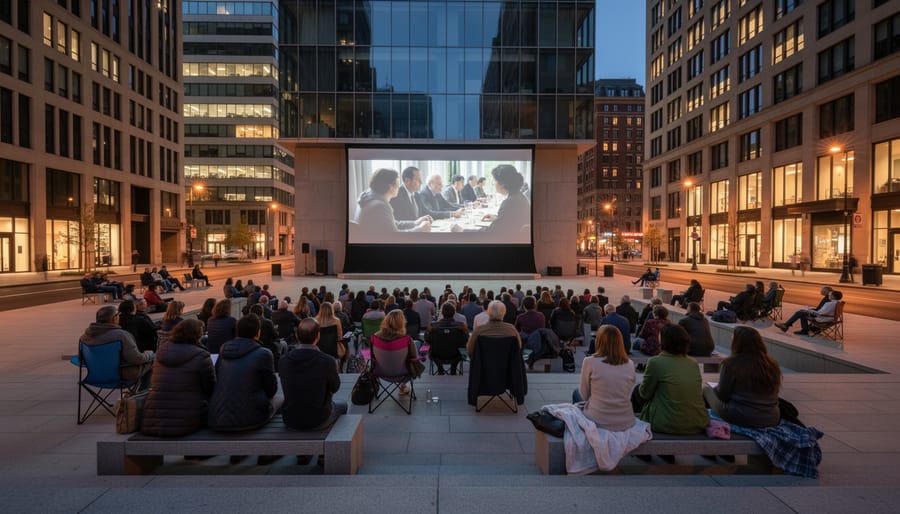
Architecture and design film festivals occupy a distinct space in the professional landscape, offering something fundamentally different from the conferences, biennales, and exhibitions that typically anchor architectural discourse. While traditional events revolve around finished projects, technical presentations, and curated installations, film festivals place storytelling at the center, transforming how audiences encounter and understand the built environment.
The documentary format brings an immediacy that static exhibitions cannot match. A film can follow an architect through years of setbacks, budget constraints, and community negotiations, revealing the messy reality behind polished portfolio images. This narrative arc matters because it shows architecture as a living process rather than a collection of completed objects. When viewers watch a restoration project unfold over four seasons or see a housing initiative navigate political obstacles, they grasp the complexity that two-dimensional drawings obscure.
Accessibility represents another defining characteristic. Traditional architecture events often cater to industry insiders who already speak the language of formal analysis and technical specifications. Film festivals, by contrast, welcome a broader public. A well-crafted documentary requires no specialized vocabulary to appreciate, the camera does the work of explaining spatial relationships, material choices, and social impact through visual evidence and human stories. Students gain insights that textbooks cannot provide, while community members see how design decisions affect daily life.
Perhaps most significantly, these festivals humanize a profession sometimes perceived as remote or elitist. Films introduce the personalities behind projects: the architect wrestling with creative doubts, the client defending unpopular choices, the craftsperson solving construction challenges. These personal dimensions create emotional connections that technical presentations rarely achieve. A screening room becomes a space where professional practitioners, aspiring students, and curious residents share the same experience, often sparking conversations that cross the usual boundaries separating experts from the public.
Leading Festivals Shaping the Global Conversation
Established International Festivals
The Architecture & Design Film Festival (ADFF) in New York stands as the longest-running event of its kind in the United States, having launched in 2009. Each October, it transforms venues across Manhattan into screening rooms showcasing 30-40 films from around the world. The festival has built its reputation on curating documentaries that range from architect profiles to explorations of urban planning challenges, consistently drawing industry professionals, students, and design enthusiasts who appreciate its mix of established filmmakers and emerging voices.
Across the Atlantic, the Arquitecturas Film Festival in Lisbon has anchored European architectural cinema since 2009. Running annually in November, it distinguishes itself through thematic programming that shifts focus each year, one edition might center on social housing while another examines adaptive reuse. This approach allows the festival to respond to contemporary issues while maintaining curatorial depth. Portuguese and international selections screen alongside architect talks and walking tours, creating a festival experience rooted in Lisbon’s own architectural landscape.
The Open House Worldwide network, while not exclusively film-focused, has integrated documentary screenings into its global architecture festival format since expanding beyond London in the early 2010s. Cities from Melbourne to New York now pair building access weekends with film programs, using documentaries to provide context for the structures visitors explore. This model demonstrates how festivals can extend beyond cinema spaces to activate the built environment itself.
These established festivals share common strengths: consistent annual programming, international film sourcing, and the ability to attract both industry insiders and general audiences. Their longevity reflects sustained demand for architecture presented through cinematic storytelling rather than purely academic or professional forums.
Emerging Regional Voices
While long-established festivals anchor the global circuit, a vibrant constellation of newer and regionally-focused festivals has emerged, broadening the geographic and cultural scope of architectural storytelling. These platforms challenge the dominance of Western narratives and spotlight design practices rooted in local contexts, indigenous knowledge, and regional innovation.
The Beijing Design Week Film Festival, launched in 2011, has become a crucial gateway to Asian perspectives on contemporary architecture and urbanism. Its programming reflects China’s unprecedented building boom while also featuring films documenting vernacular traditions across the continent. Similarly, the Lagos Architecture and Design Film Festival, established in 2019, brings African voices to the forefront, showcasing films that examine rapid urbanization, informal settlements, and design solutions addressing climate vulnerability in the Global South.
In Latin America, the Buenos Aires International Festival of Architecture Cinema has cultivated a following since 2009 by highlighting regional modernism, social housing initiatives, and the architectural heritage of Argentina and neighboring countries. Its bilingual programming makes Latin American design discourse accessible to international audiences while serving local communities.
The Middle East Architecture and Design Film Festival, rotating between Dubai and other regional cities, explores how traditional building methods inform contemporary sustainable design in arid climates. Its curation emphasizes projects addressing water scarcity, extreme heat, and cultural preservation amid rapid development.
These regional festivals do more than decentralize the conversation. They create space for filmmakers and architects working outside major design capitals to share knowledge, challenge assumptions about what constitutes architectural innovation, and demonstrate that meaningful design emerges from understanding local conditions rather than imposing universal solutions.
Film as an Educational Tool for Architecture Students and Professionals
Bridging Theory and Practice
Architecture and design film festivals excel at closing the gap between classroom concepts and professional realities. Unlike textbooks that often present finished projects in isolation, documentary films reveal the messy, iterative process behind built work, the budget negotiations, community conflicts, material compromises, and evolving design decisions that shape final outcomes. This behind-the-scenes access transforms abstract principles into tangible lessons about how architecture actually happens.
Festival programmers curate films that demonstrate theoretical frameworks in action. A documentary following a housing project’s development shows students how sustainability principles translate into specific material choices, structural systems, and construction methods. Films capturing participatory design processes illustrate community engagement theories through real conversations between architects and residents. These visual narratives make design thinking visible in ways that complement professional learning showing viewers not just what architects create but how they navigate constraints, advocate for ideas, and adapt designs to meet complex requirements.
The filmmaker’s perspective adds another critical dimension. Directors ask questions that architecture students might hesitate to pose, probing failures alongside successes and capturing candid moments that reveal the human side of practice. This honest documentation helps emerging professionals develop realistic expectations and practical problem-solving approaches they will need beyond school.
Expanding Cultural Literacy
Films screened at architecture festivals function as cultural translators, introducing audiences to building traditions and design philosophies they might never encounter through conventional channels. A documentary exploring Japanese machiya townhouses or Mexican vernacular architecture does more than showcase structures, it reveals the cultural values, climatic adaptations, and social dynamics embedded in different approaches to the built environment.
This exposure proves particularly valuable for Western-trained architects encountering non-European design lineages that prioritize different spatial concepts, material relationships, and community patterns. Festival programming deliberately counters the historical dominance of a narrow architectural canon by platforming Indigenous building practices, regional modernisms, and contemporary work from underrepresented geographic contexts.
The format allows filmmakers to contextualize architecture within broader cultural narratives, showing how traditional Moroccan courtyard houses respond to privacy customs or how Scandinavian design reflects social democratic principles. These connections deepen understanding beyond aesthetic appreciation, helping viewers grasp why certain design solutions emerge from specific cultural contexts.
For students especially, this cinematic exposure builds a more nuanced professional vocabulary. Encountering diverse precedents early shapes how they approach design problems, encouraging solutions informed by global perspectives rather than defaulting to familiar Western typologies. The cumulative effect transforms architectural literacy from style recognition into genuine cultural competence.
Common Themes and Topics in Festival Programming
Architecture and design film festivals consistently gravitate toward themes that reflect both timeless architectural concerns and urgent contemporary challenges. While each festival curates its own distinct programming voice, certain subjects surface repeatedly across lineups worldwide, revealing shared preoccupations within the profession and broader cultural conversations about how we build and inhabit our environments.
Sustainability dominates contemporary festival programming, though not always in the predictable ways. Films explore everything from passive house retrofits in European cities to vernacular building techniques that have achieved climate responsiveness for centuries without modern technology. These documentaries move beyond green building checklists to examine the social, economic, and political dimensions of designing for environmental responsibility. You’ll find profiles of architects pioneering circular economy approaches alongside case studies of communities implementing traditional construction methods that modern practice is only now rediscovering.
Social housing represents another persistent thread, particularly as global housing crises intensify. Festival films document innovative public housing projects, trace the histories of iconic housing estates, and examine both the successes and failures of different approaches to affordable housing. These screenings often pair historical analysis with contemporary case studies, showing how Vienna’s social housing legacy informs current practice or how Singapore’s public housing model differs fundamentally from approaches in Latin America or Scandinavia.
- Urban Regeneration
- Films tracking the transformation of post-industrial sites, waterfront districts, and neglected neighborhoods, often examining who benefits from these changes and how communities shape or resist development.
- Preservation and Adaptive Reuse
- Documentaries exploring the challenges of maintaining historic structures while meeting contemporary needs, including debates over restoration philosophy and the creative repurposing of obsolete building types.
- Architect Profiles and Movement Histories
- Biographical films on influential practitioners and examinations of design movements like Brutalism or Metabolism, often reassessing legacies through contemporary lenses.
- Material Innovation and Craft
- Explorations of emerging construction technologies, traditional building crafts at risk of disappearing, and the intersection between digital fabrication and artisanal methods.
Infrastructure receives increasing attention in festival programming, moving beyond bridges and highways to examine water systems, energy grids, and transit networks as designed environments that shape urban life. These films make visible the usually invisible systems that enable cities to function, raising questions about equity, resilience, and public investment in shared infrastructure.
Participatory design and community-led projects feature prominently, showcasing processes where architects collaborate directly with residents rather than imposing solutions from above. These documentaries capture the messy, time-intensive reality of genuine co-design, offering counterpoints to the polished finished projects typically celebrated in architectural media. They reveal how power dynamics, communication barriers, and resource constraints shape outcomes, providing honest assessments of what participatory approaches can and cannot achieve.
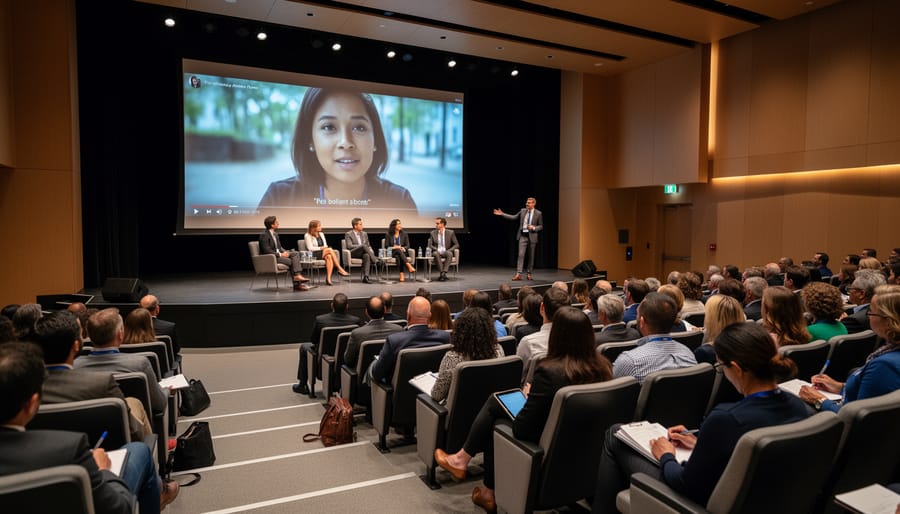
Beyond Screenings: Workshops, Panels, and Community Building
While film screenings anchor these festivals, the surrounding programming creates their true educational and networking value. Workshops, panel discussions, and curated networking events transform passive viewing into active participation, establishing festivals as hubs for collaborative exchange that extends well beyond the screening room.
Pre- and post-screening discussions routinely feature the filmmakers alongside the architects or designers whose work appears on screen. These conversations reveal project backstories, design challenges, and lessons learned that never make it into the final cut. A filmmaker might explain why certain footage was included or excluded, while the featured architect discusses how the completed project evolved from initial concept. This direct access to both creators provides context that deepens understanding and sparks questions impossible to address through film alone.
Technical workshops offer hands-on skill development tailored to festival audiences. Architecture students might attend sessions on architectural photography or model-making techniques demonstrated in featured films, while professionals explore emerging technologies like parametric design software or sustainable material innovations highlighted in festival programming. These practical sessions create tangible takeaways that participants can apply immediately in their work or studies.
Panel discussions address broader industry themes raised by festival content, from affordable housing strategies to ethical considerations in adaptive reuse projects. By bringing together diverse voices, practicing architects, urban planners, community activists, and academics, these sessions foster interdisciplinary dialogue that challenges conventional thinking and introduces new perspectives on persistent design challenges.
The informal networking opportunities prove equally valuable. Festival lounges, opening receptions, and organized social events create spaces where students can approach established practitioners, international visitors can forge professional connections, and local design communities can strengthen existing relationships. These interactions often lead to mentorships, collaborations, and job opportunities that extend the festival’s impact throughout the year.
How to Engage with Architecture and Design Film Festivals
For Students and Emerging Professionals
Students and emerging professionals gain the most from festivals by approaching them with clear goals. Before attending, review the full program and identify films that align with your area of interest, whether sustainable design, urban planning, or historic preservation. Take notes during screenings and panels, capturing specific project details, methodologies, and contact information for filmmakers or featured practitioners.
Use post-screening Q&A sessions to ask thoughtful questions that demonstrate genuine curiosity about process and decision-making rather than just technical specifications. These interactions often lead to informal conversations that build professional relationships. Many festivals offer student discounts or volunteer opportunities that provide access while allowing you to work alongside industry professionals.
Connect festival experiences to your academic work by writing reviews, organizing campus screening events, or developing research projects based on featured films. This transforms passive viewing into active engagement with architectural discourse. Following festivals on social media keeps you informed about year-round learning opportunities, including archived content and educational resources many festivals maintain online.
Create a personal database of films, architects, and ideas encountered at festivals. This becomes a valuable reference as you develop your design philosophy and can inform studio projects, thesis research, or portfolio development throughout your education and early career.
For Established Practitioners and Enthusiasts
For practitioners with years of experience, architecture and design film festivals offer fresh perspectives that can reinvigorate established practices and challenge comfortable assumptions. These events function as curated continuing education opportunities, presenting case studies of innovative solutions to familiar challenges, from adaptive reuse strategies to community engagement models that have proven successful in diverse contexts.
Many festivals organize practitioner-focused sessions where filmmakers and featured architects discuss project realities that rarely surface in glossy publications: budget constraints, client negotiations, regulatory obstacles, and the compromises required to realize ambitious visions. These candid conversations provide validation and tactical insights that translate directly to your own work.
Enthusiasts gain deeper appreciation for the built environment through films that reveal the human stories behind landmarks and everyday structures. Festival programming often explores architectural movements, regional traditions, and the social implications of design decisions in ways that transform passive observation into active engagement with your surroundings.
Both groups benefit from the festival’s role as a gathering space. Attending screenings and post-film discussions creates natural opportunities for meaningful conversations with peers who share your passion, whether you’re seeking collaborators, mentors, or simply fellow travelers in the design world who understand the complexities of creating thoughtful, enduring architecture.
The Future of Architecture Film Festivals in a Digital Age

The pandemic forced architecture and design film festivals to reimagine their delivery models overnight, but the resulting innovations have unlocked possibilities that extend far beyond crisis response. Many festivals now embrace permanent hybrid formats that combine curated in-person experiences with on-demand streaming platforms, expanding access to audiences who previously faced geographic or financial barriers. This shift mirrors broader trends in hybrid learning where the goal isn’t choosing between physical and digital but strategically leveraging both.
The most successful festivals in 2026 treat virtual programming not as a fallback but as a distinct experience with its own advantages. On-demand libraries allow students to revisit complex films, pause to sketch ideas, or watch with study groups across time zones. Live-streamed panels with interactive Q&A features connect regional audiences directly with filmmakers and architects who might never visit their cities. Some festivals experiment with virtual reality screenings that immerse viewers in architectural spaces featured in documentaries, creating experiences impossible in traditional cinema settings.
Yet the enduring appeal of physical gatherings remains evident. Festival directors report that attendance at screenings followed by architect-led discussions continues to grow, suggesting audiences crave structured opportunities for face-to-face dialogue. The spontaneous conversations in lobbies, the energy of collective viewing, and the networking that happens over post-screening drinks resist digital replication.
Forward-thinking festivals are finding the sweet spot: premiere screenings and workshops anchored in physical venues, complemented by extended digital access that keeps communities engaged between annual events. This approach transforms festivals from periodic gatherings into ongoing platforms, maintaining their role as connective tissue while adapting to how global architecture communities increasingly work and learn.
Architecture and design film festivals have emerged as powerful democratizing forces, breaking down the barriers that once kept architectural discourse confined to academic halls and professional circles. By translating complex design concepts into compelling visual narratives, these festivals make architecture accessible to anyone curious about the built environment, regardless of their formal training or professional background.
The global network of festivals documented throughout this article demonstrates how film can spark cross-cultural dialogue that enriches architectural practice worldwide. When audiences in Melbourne watch a documentary about social housing in Amsterdam, or when students in Mumbai explore preservation efforts in Kyoto, they gain perspectives that transcend geographic and cultural boundaries. This exchange of ideas doesn’t just broaden individual understanding; it shapes how we collectively think about solving shared challenges like sustainable development, equitable urban planning, and climate-responsive design.
Perhaps most significantly, these festivals inspire emerging architects and designers by revealing the human stories behind iconic buildings and urban interventions. Seeing the struggles, breakthroughs, and collaborative processes that define real-world practice provides students and young professionals with invaluable context that complements their formal education.
Whether you attend a flagship international festival, explore a regional program showcasing local talent, or access archived screenings from previous years, engaging with this content connects you to a vibrant global community. These festivals prove that architecture belongs to everyone who inhabits, experiences, and cares about the spaces we create together.